Tēnaka Station
We are proud to present our game-changing innovation.
Restoring the world’s most resilient coral reefs
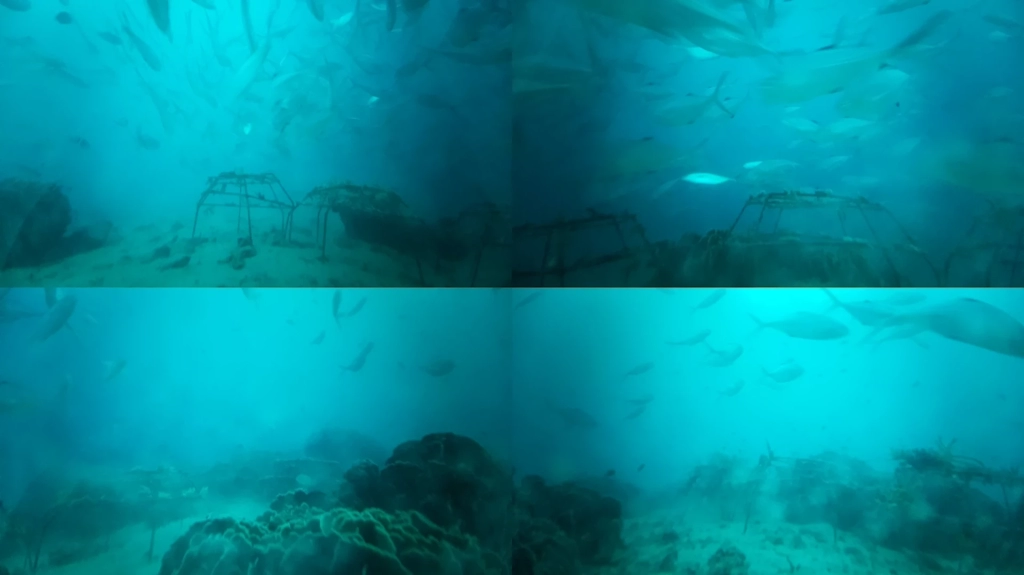
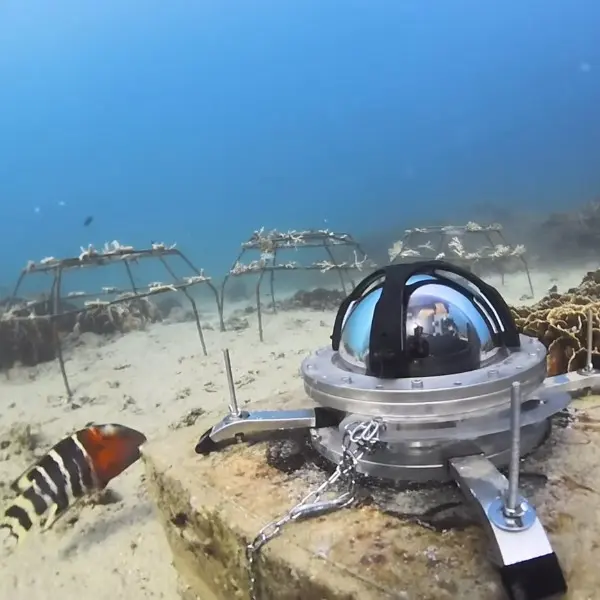
Designed and developed by our coalition of first-class partners led by Orange Business with Microsoft Azure, Netskope, Yucca Lab… and also marine biologist Reef Check Malaysia, the Tēnaka Station is equipped with underwater camera taking pictures every 30 sec.
With up to 6,000 photos a day, the data is analysed by a machine learning algorithm for species recognition and marine biodiversity census.
Data collected will enable a huge leap forward in learning and enhance our impact mesurement.
Delivering the best of science and technology
to save corals
The Tēnaka Station is a low-tech innovation designed to help marine biologists with live monitoring of the seabeds, marine biodiversity census and predators detection. A world that is still 75-80% unknown, unmapped!
After full-scale test in September 2024, the Tēnaka station has been rolled out in 2025, in three different sites in Malaysia. It is designed to help marine biologists with live monitoring of the seabeds, marine biodiversity census and predators detection.
We’re now heading up to new horizons, partnering with CNRS and CRIOBE cutting-edge research organizations on new sites in Indian ocean and Polynesia.
The Tēnaka Science® metrics
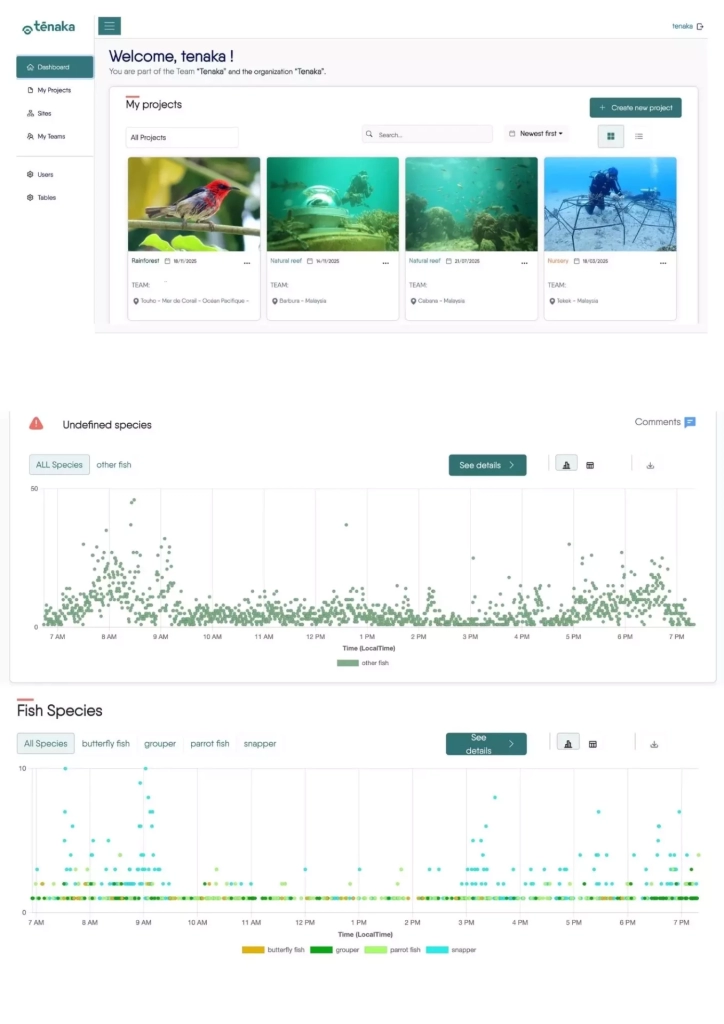
The Tēnaka Science® Platform allows scientists and end users to gather field data in a unified and user-friendly way. The database is updated every month, depending on the monitoring programs in place.
The data are used over the long term to monitor total biomass and the abundance of certain key species or predators, with hourly resolution.
On both our restored coral reefs and mangrove forests, our field partners also collect quantitative data based on international methodologies such as Reef Check for coral reefs.
Each user can create and manage Impacts Reports within their own organisation, bringing together reports, charts and key indicators.
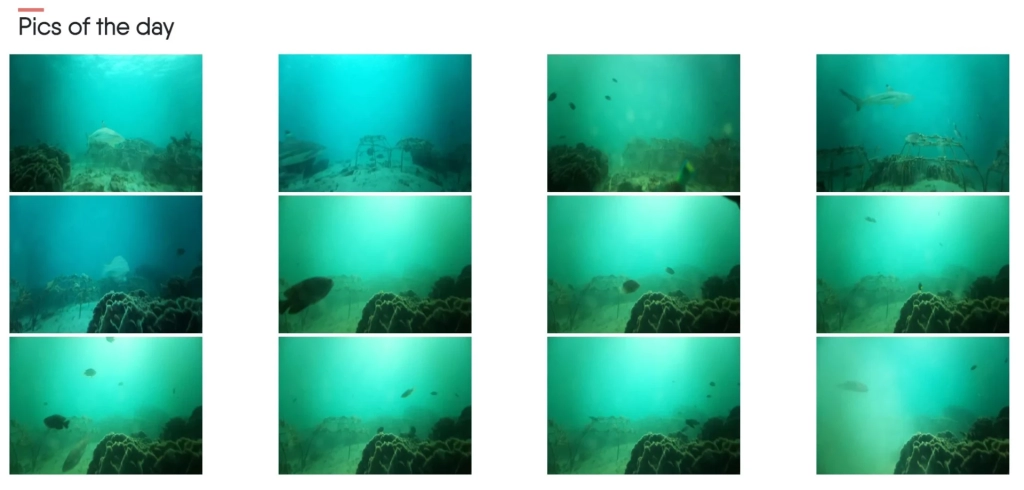
The Tēnaka Science® gallery
We provide our partners a unique dashboard, for them to communicate in a transparent, pedagogic and user-friendly way to their stakeholders.